

What sparked the mobile battle‑royale boom?
Essential knowledge from prediction markets to navigating kalshi effectively
27 de agosto de 2026
What’s the real first step to get into Lolajack Casino UK?
27 de agosto de 2026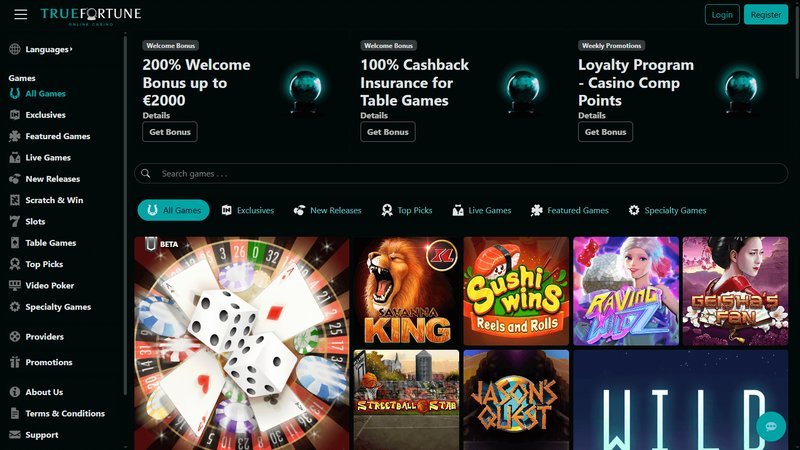
In March 2023, Fortnite Mobile hit 5 million UK downloads in its first two weeks, a figure that surprised even the developers. That surge proved the UK audience was ready to trade a console controller for a thumb‑friendly interface without sacrificing the genre’s signature tension.
Two months later, Call of Duty: Mobile reported a 12 percent increase in daily active users from the UK, pushing its worldwide peak concurrent players to 45 million. The numbers aren’t just hype; they translate into longer session times – the average UK player now spends 42 minutes per day in a battle‑royale match, up from 28 minutes in 2021.
Why mobile outpaces console and PC in the UK
First, the cost barrier is concrete. A mid‑range Android phone costs around £250, while a new console starter kit sits at £300‑£350 and a decent gaming PC easily tops £800. For a teenager on a modest allowance, the phone is the only affordable gateway.
Second, data plans have become generous. The major UK carriers now offer 50 GB of unlimited data for roughly £20 a month, enough for 200 hours of high‑quality mobile gaming without throttling. That means a player can jump into a 100‑player drop without worrying about lag spikes caused by network caps.
Third, the distribution model is frictionless. Both the Google Play Store and Apple App Store allow instant installs, and updates roll out automatically. In contrast, PC patches can require 5‑10 GB downloads that some broadband connections still struggle with.
Design tricks that make battle‑royale work on a phone
Developers have trimmed the map size. While the original PC version of PUBG spans 8 km², the mobile variant shrinks to 4 km², cutting average match length from 20 minutes to 12. That reduction keeps battery drain low – a typical 4,000 mAh phone loses about 15 percent of charge after a full match.
Control schemes are also re‑engineered. Auto‑aim assists and simplified building mechanics replace the complex key‑bindings of PC. In Free Fire, the “tap‑to‑shoot” feature reduces the learning curve, allowing a newcomer to secure a top‑10 finish after just three matches.
Finally, the graphics engine is scaled. Mobile titles run at 30 fps on most devices, but they still deliver recognizable textures thanks to dynamic resolution scaling. Players with a Snapdragon 888 chipset can push 60 fps, narrowing the visual gap with desktop rigs.

Community and monetisation patterns
UK players gravitate toward seasonal events. The “Winter Siege” in 2024 attracted 1.2 million participants, each spending an average of £3 on limited‑time skins. That modest spend per head outperforms many PC‑only titles, where the average micro‑transaction is £7.
Streaming also fuels growth. A typical UK Twitch viewer watches 2.5 hours of mobile battle‑royale content per week, compared with 1.8 hours for PC shooters. The shorter match times make it easier for streamers to produce highlight reels, which in turn drives more downloads.
While mobile battle‑royale thrives, it also nudges players toward broader online entertainment. For those looking to switch from the intense drop‑zone action to a more relaxed casino vibe, True Fortune Online Casino offers a convenient alternative that fits the same on‑the‑go lifestyle.
Challenges that still linger
Battery life remains a hard limit. Even with power‑saving modes, a 30‑minute match can drain 20 percent of a phone’s charge, forcing many to keep a charger handy. Users with older devices (pre‑2019) report frequent crashes, especially when the game tries to render large explosions.
Another issue is network stability. Rural areas of England still suffer from 3G or spotty 4G coverage, which translates into higher latency and more disconnects. A 2024 Ofcom report showed that 18 percent of UK mobile gamers experience lag spikes exceeding 150 ms, enough to turn a victory into a defeat.
Which platform should UK gamers choose?
If budget and portability are top priorities, mobile battle‑royale is the clear winner. The low entry cost, short match cycles, and seamless updates create an accessible entry point for casual and competitive players alike.
For those who demand the highest visual fidelity and complex building mechanics, a PC or console still holds the edge – but only if the price tag and hardware upkeep are acceptable.
Overall, the data suggests that the mobile segment will keep expanding, driven by cheaper hardware, better data plans, and developer optimisations. UK gamers who want to stay ahead should invest in a recent mid‑range smartphone and keep an eye on seasonal events – that’s where the biggest rewards, both in-game and financially, are currently landing.
