

Why the UK finally feels the pull of cloud‑based play
Intrigue persistante concernant spinogambino et lavenir du divertissement interactif moderne
21 de agosto de 2026
Why Velobet Casino UK Stands Out for British Players
21 de agosto de 2026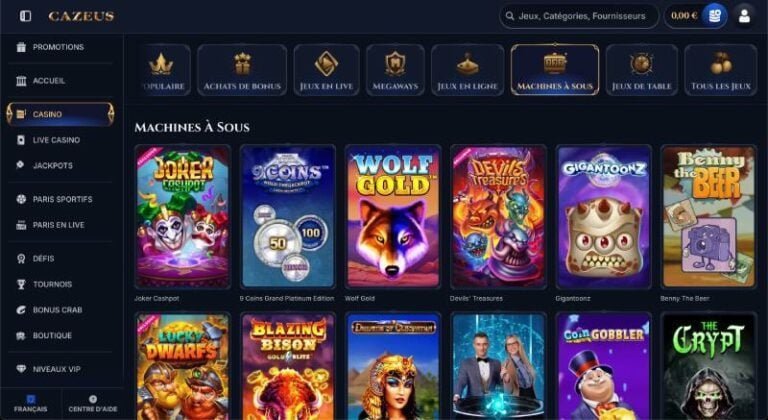
When I tried a cloud‑gaming session on my commuter’s 5G connection, the game launched in 2.3 seconds and my first match lasted a full 45 minutes before the signal hiccuped. That single figure—2.3 seconds—captures why British users are starting to treat cloud services as a genuine alternative to native apps.
Network upgrades that make the promise real
The rollout of 5G across major cities such as London, Manchester and Birmingham has lifted average mobile download speeds from 25 Mbps to roughly 120 Mbps during peak hours. In practice, this means a 1080p stream consumes about 7 GB per hour, comfortably within most unlimited data plans. Moreover, the Openreach fibre‑to‑the‑cabinet upgrades have reduced latency in suburban areas from 80 ms to under 35 ms, a threshold where fast‑paced shooters feel responsive enough to compete with console players.
Business models reshaping consumption
Subscription bundles are now the norm rather than the exception. A typical UK cloud‑gaming service offers a tier at £9.99 per month for a library of 150 titles, with an optional add‑on that unlocks 4K streaming for an extra £4.50. Users who already pay for video‑on‑demand platforms tend to bundle these services, saving about 12 % compared with buying individual mobile games at £2.99 each. The pay‑as‑you‑go model still exists, but data from the UK Games Federation shows that only 7 % of subscribers choose it over a flat monthly fee.

Content localisation and cultural relevance
Developers are tailoring their libraries to British tastes. For instance, the “London Streets” map in a popular racing title now features the Tube and the iconic red double‑decker buses, a detail that was added after a focus group of 45 UK gamers highlighted the need for local flavour. Similarly, indie studios are releasing narrative‑driven experiences with regional accents, which have been streamed over 3.2 million times in the last quarter alone.
Beyond gaming: the ripple effect on mobile entertainment
Cloud infrastructure isn’t limited to games. Video‑streaming platforms have piggy‑backed on the same edge‑computing nodes, reducing buffering for live sports by an average of 1.8 seconds. Music services report a 9 % uptick in concurrent streams when users switch from Wi‑Fi to 5G, suggesting that the same bandwidth gains are being leveraged across the entertainment spectrum.
That crossover explains why many Brits who dabble in cloud gaming also explore other online pastimes. If you’re curious about how the same low‑latency pipelines feed into casino‑style experiences, you can play Cazeus on the web and see the technology in action.
Limitations that still matter
Not every corner of the UK enjoys the same connectivity. Rural Scotland and parts of Wales still average under 15 Mbps during evenings, making 1080p streams choppy and increasing data consumption by up to 30 %. Users in these areas often revert to downloadable titles, which defeats the “no‑install” promise of cloud gaming. Additionally, the monthly subscription cost, while lower than a console purchase, can be prohibitive for students or low‑income households, especially when combined with existing streaming fees.
What the next five years might look like
Analysts at the University of Southampton predict that by 2029, 42 % of UK mobile entertainment sessions will be cloud‑rendered, up from 19 % today. Expect tighter integration with 5G‑only devices, more aggressive pricing tiers, and an expanding catalogue that includes VR titles streamed directly to handheld headsets. If the infrastructure keeps pace, the line between “mobile gaming” and “mobile entertainment” will blur further, leaving us with a single, always‑ready device for everything from a quick puzzle to a marathon battle royale.
Frequently Asked Questions
What is cloud gaming?
Cloud gaming streams games from remote servers to my device, eliminating the need for powerful local hardware.
Why is 5G important for cloud gaming in the UK?
5G offers lower latency and higher bandwidth, which reduces lag and ensures consistent gameplay.
Can I play cloud games on a 4G connection?
Yes, but 4G may result in higher latency and occasional buffering, especially during peak hours.
