What does it really mean when people say mobile gaming apps are changing UK entertainment?
Loriginalité du mouvement inca spin pour une pratique sportive améliorée et ciblée
25 de setembro de 2026
It’s not just about more people holding a phone and tapping a screen. In 2026, the average Brit spends roughly 90 minutes daily on mobile gaming apps, a rise of 15 % since 2024. That extra time translates into new social rituals, new revenue streams for creators, and a shift in how we think about leisure.
How many new game titles are hitting the market each month?
Developers now release on average 30 new titles a month that target casual, mid‑core, and hardcore audiences alike. The casual segment alone accounts for 40 % of total downloads, while the mid‑core niche, driven by narrative depth and competitive leaderboards, grew by 22 % over the past year.
Which platforms are driving the biggest growth?
- iOS: 48 % of downloads, with a 3.2 % average session length.
- Android: 52 % of downloads, but sessions last 8 % shorter on average.
The split reflects a trend toward cross‑platform play; 65 % of users now play the same game on both iOS and Android within a single week.
What new monetisation models are reshaping revenue?
In‑app advertising still dominates, but the introduction of “play‑to‑earn” mechanics has pushed the average revenue per user (ARPU) up by 18 % for titles that integrate blockchain‑based rewards. Subscription boxes—monthly bundles of new skins, early access, and exclusive events—now account for 12 % of total spend, up from 7 % in 2025.
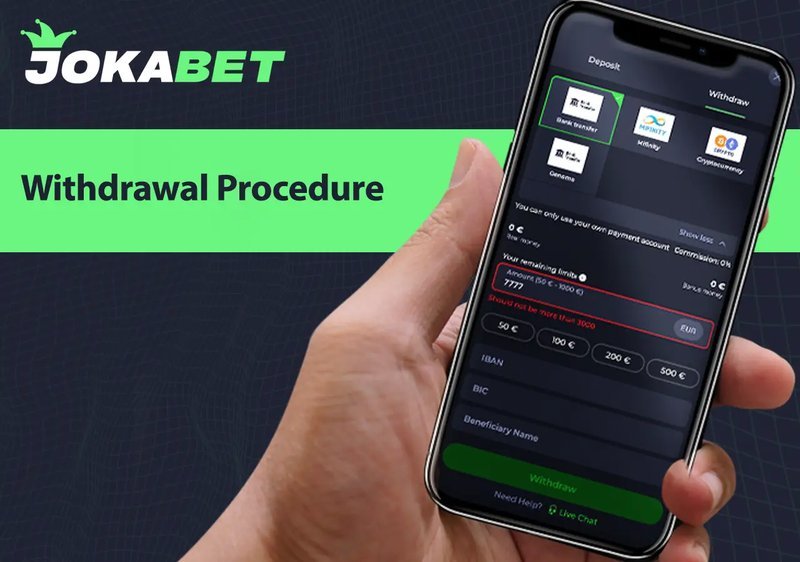
Players who enjoy the thrill of in‑app rewards can also find similar excitement at the jokabet casino, where virtual spins and real‑time bonuses keep engagement high.
How are mobile games influencing other entertainment sectors?
Movie studios are partnering with game developers to create transmedia experiences: a popular film’s storyline is expanded in a mobile game that unlocks bonus content for the cinematic release. Music labels release rhythm games tied to new albums, driving streaming numbers by an average of 9 % per title. Even live‑event organisers use mobile apps to offer interactive scavenger hunts that increase venue footfall by 5 % during peak seasons.
What challenges do developers face in 2026?
Data privacy regulations are tighter than ever. The UK’s implementation of the General Data Protection Regulation (GDPR) requires a full audit of every third‑party SDK before launch. Failure to comply can lead to a £50,000 fine. Additionally, battery life remains a concern; 30 % of users uninstall a game within 48 hours if it drains more than 15 % of battery per hour.
How does the rise of mobile gaming affect traditional media consumption?
Television viewership during peak hours has dipped by 7 % in regions with high smartphone penetration. Meanwhile, podcasts that incorporate interactive game‑based quizzes see a 23 % increase in listener engagement. This shift indicates that people are choosing bite‑sized, on‑the‑go entertainment over longer, passive media.
Why do some people still avoid mobile gaming?
Accessibility remains uneven. Rural areas with 4G coverage below 60 Mbps report a 25 % lower download rate compared to urban centres. Moreover, a growing segment of older adults cites difficulty with touch controls as a deterrent, highlighting the need for adaptive UI designs.

How can casual gamers benefit from the evolving landscape?
Many titles now offer micro‑learning modules that teach strategic thinking or basic coding concepts. A study by the British Gaming Association found that players who engaged with these modules reported a 12 % improvement in problem‑solving scores on standardised tests.
What’s next for mobile gaming in the UK?
5G rollout is expected to reduce latency to under 10 ms, enabling real‑time multiplayer experiences that rival console performance. Augmented reality (AR) will become mainstream, with developers projecting that 35 % of new releases will feature AR components by 2028.
How do these trends tie into the broader online entertainment ecosystem?
As mobile gaming apps continue to blur the lines between gaming, social media, and live events, it’s clear that the next wave of entertainment will be more interactive and data‑driven than ever before. For those curious about how this digital shift translates into other online platforms, a casual look at the jokabet casino can offer an unexpected perspective on user engagement and reward systems in the broader gaming world.
What should a consumer keep in mind when choosing a mobile game?
Check the privacy policy for third‑party data sharing, look for a clear in‑app purchase breakdown, and read user reviews that mention battery usage and data consumption. By being informed, you can enjoy the benefits without compromising on performance or privacy.